25+
Years of operation
100-300
Employees
2,000+
Custom and semi-custom coaches made
The Willoughby Company,
a custom design automobile body firm, originated in Rome, New York in the late nineteenth century. The first owner, R.M. Bingham, specialized in custom sleighs and carriages. When the Bingham factory was destroyed by fire in 1897, the company moved to Utica, New York where they took over the facilities of the Utica Carriage Company. Bingham’s son-in-law, Edward Willoughby, served as president. With partner William H. Owen, Edward Willoughby formed Willoughby-Owen & Co. and received contracts from the Columbia Automobile Company to produce bodies for electric cars in 1899. From 1901-1902 they produced an electric car of their own, but subsequently evolved into a custom body design and production firm. In 1903, the company was incorporated as the Willoughby Company. When Edward Willoughby died in 1913, his son, Francis Willoughby, carried on the business as the Willoughby Body Works.
A few fast facts
What’s the quick summary of the Willoughby Company?
Prominent Customers
Willoughby created custom coaches for prominent and famous Americans such as The Rockefeller family, boxer Joe Louis, automaker Horace Dodge, New York mayor Jimmy Walker, notorious gangster Al Capone, and Presidents Calvin Coolidge and Herbert Hoover.
Custom Bodies at Scale
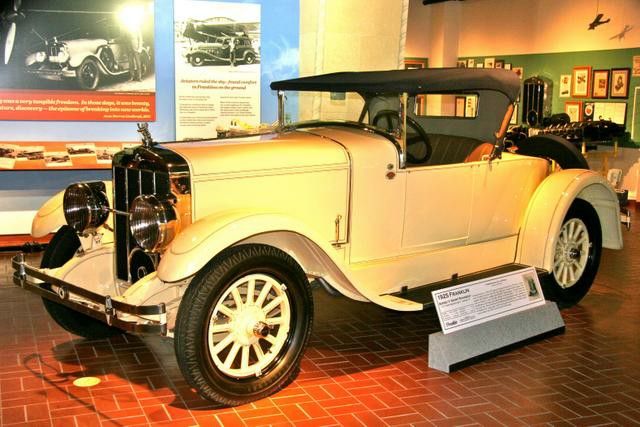
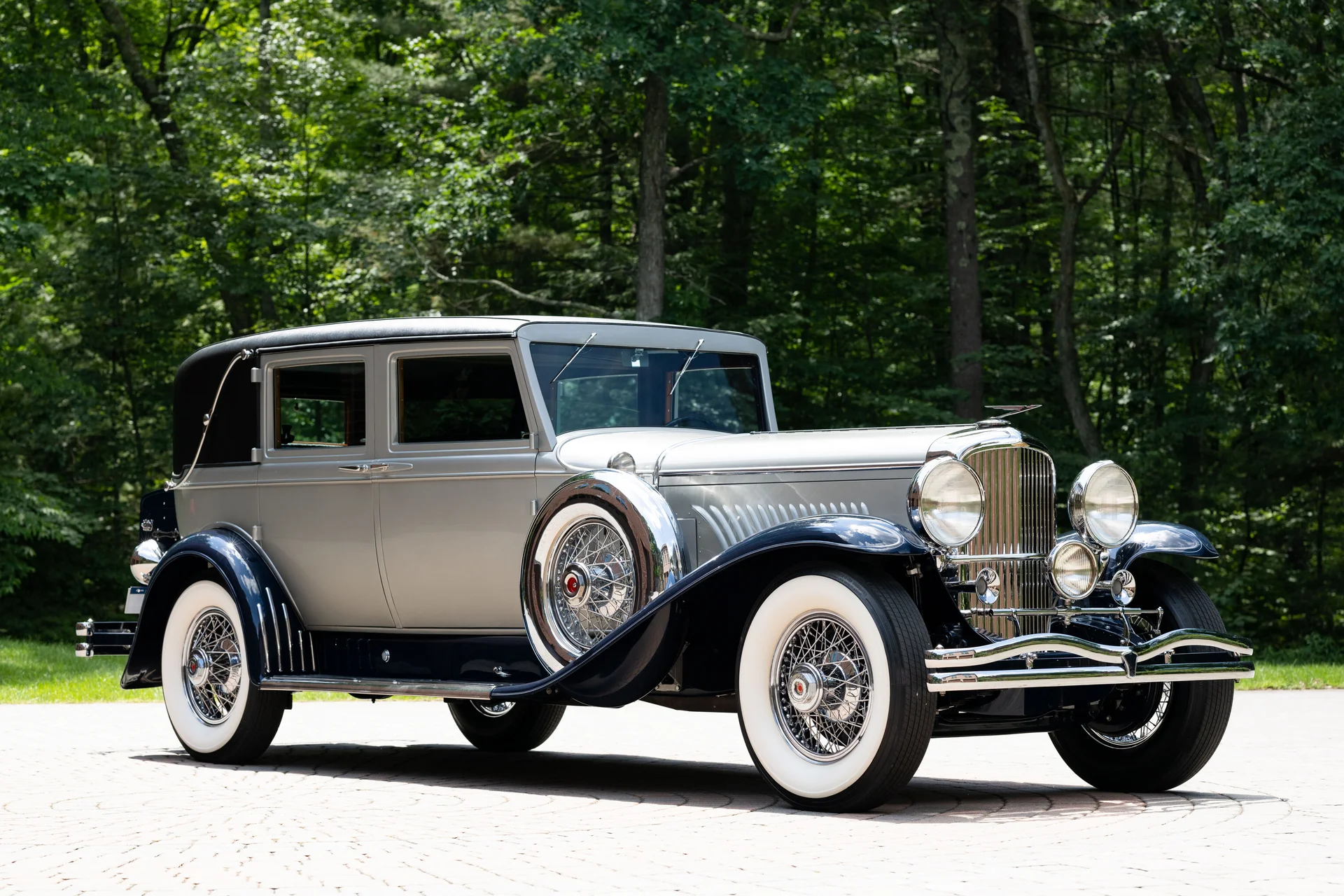
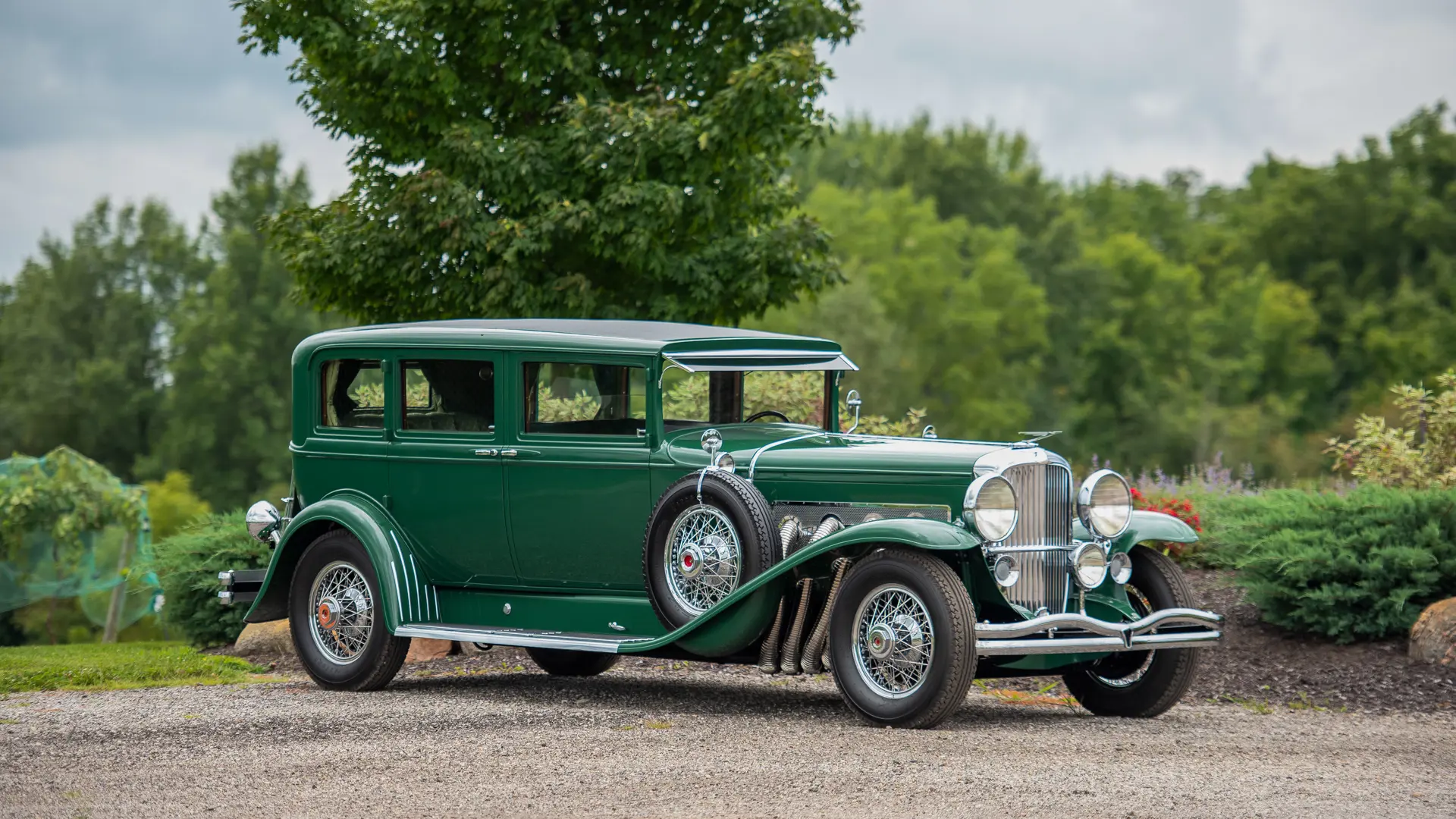
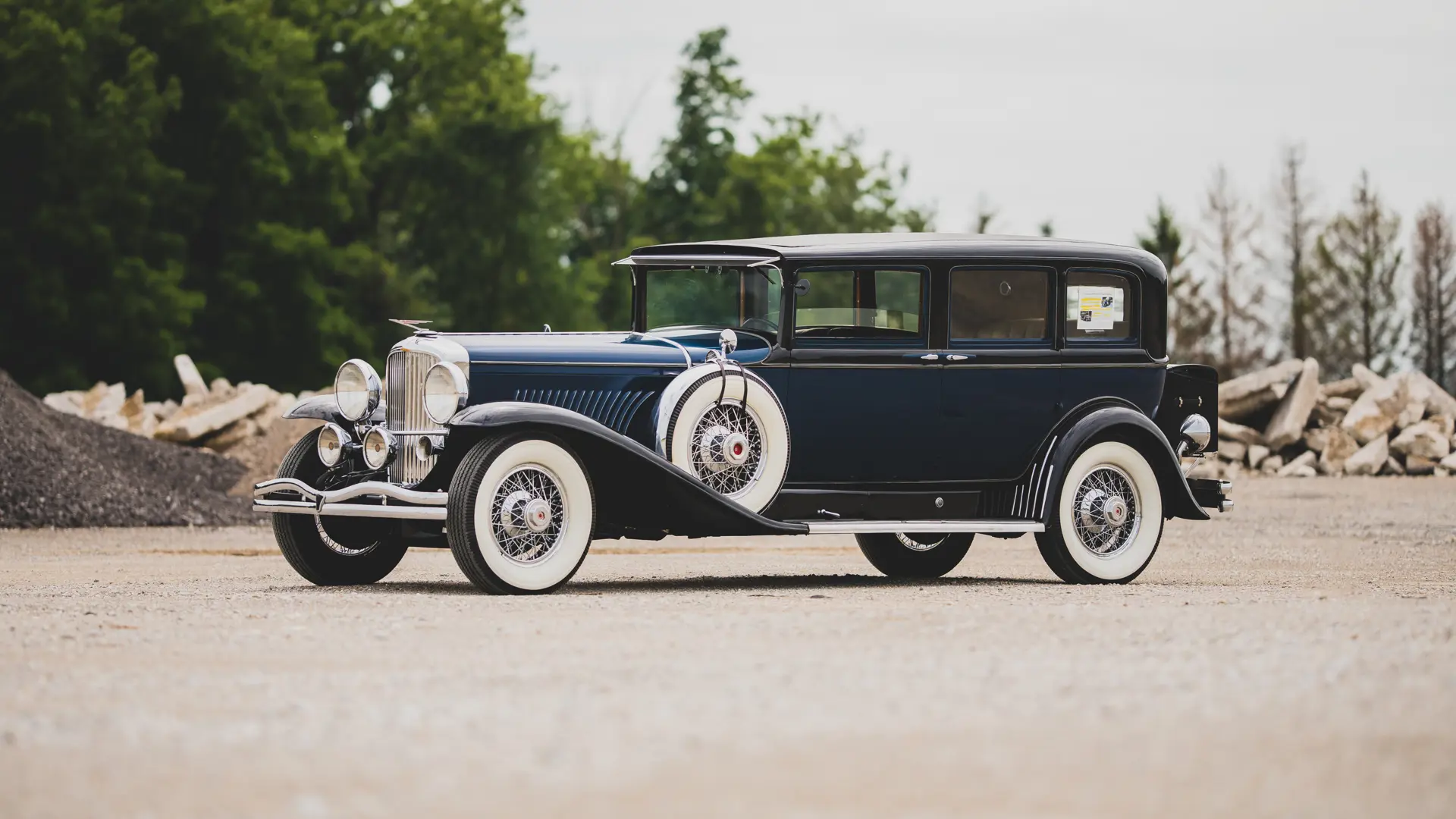
While Willoughby built one-off custom bodies, the bulk of their business was manufacturing small lots of production bodies for the nation’s automakers. This included: Lincoln, Springfield Rolls-Royce, Duesenberg, Packard, Cadillac, Chandler, Cole, Dodge, Franklin, Hudson, Locomobile, Lozier, Marmon, Pierce-Arrow, Remington, Studebaker, and Wills Ste. Claire.
Grandfather (Francis) Willoughby
After his graduation from Hamilton College in 1909, Edward Willoughby’s son Francis D. (Fritz) Willoughby (1887-1955) was first apprenticed to several competitors and upon his return took over the plant, eventually assuming the presidency upon the death of his father in 1913. The next year, Willoughby secured an order from Studebaker for more than 1,000 bodies – its largest order ever and its first million dollar contract. To make the order, the company had to rent outside space and double its workforce from 150 to 300 employees.
What set Willoughby Apart?
The Secret of Success
Willoughby’s quality and workmanship was first-rate and although their styling tended to be very conservative. Over the years, Francis Willoughby refused to comprise his standards despite changing market conditions.
Solid bodies
Willoughby car bodies were made of hard ash reinforced with forged iron. The outside was made of sheet aluminum from the beltline down.
Luxurious interiors
Fine upholstering featuring tufted cushions made of exceptionally soft, comfortable padding.
Generous sizing
Roomier than their competition – rear seats were typically sixteen inches from the floor to the top of the bottom cushion, and the roof 39-41 inches above it.
Stately features
Vanities and mini-bars and windows with silk draperies for privacy.
Beginning and End
Quick History
First opened in 1899 as Willoughby, Owen & Company, reorganized to Willoughby Co. in 1903 after Owen sold his shares. Upon the death of Edward Willoughby in 1913, Francis D. (Fritz) Willoughby assumed presidency of the company and ran it until its closure in 1938.
First orders
In 1899 Willoughby, Owen & Co. were commissioned to build a series of 135 bodies for Columbia Automobile Company’s new electrical car. In 1901, Willoughby, Owen & Co., unsuccessfully, developed their own electric vehicle and by 1903 had reorganized to focus on the design and build of automobile bodies.
Growth
After taking over in 1913, Francis Willoughby secured the company’s first million dollar contract, effectively doubling the size of the company. This ushered in a period of peak production that lasted through the mid 1920s.
Production
From the mid teens through the mid twenties Willoughby built small orders of bodies for Locomobile, Packard, Studebaker, Cole, Marmon and a few others. Typically most orders were for between 25-50 bodies, but occasional orders might run into the hundreds. Small orders of 5 to 10 bodies were always welcome.
Closing time
With the advent of new metal stamping and welding processes in the mid 1920s, stronger and cheaper all-steel bodies were easier to produce compared to Willoughby’s custom, aluminum skinned bodies. This along with the effects of the Depression eventually lead to Willoughby Co.’s closing in 1938.
The Willoughby Portfolio
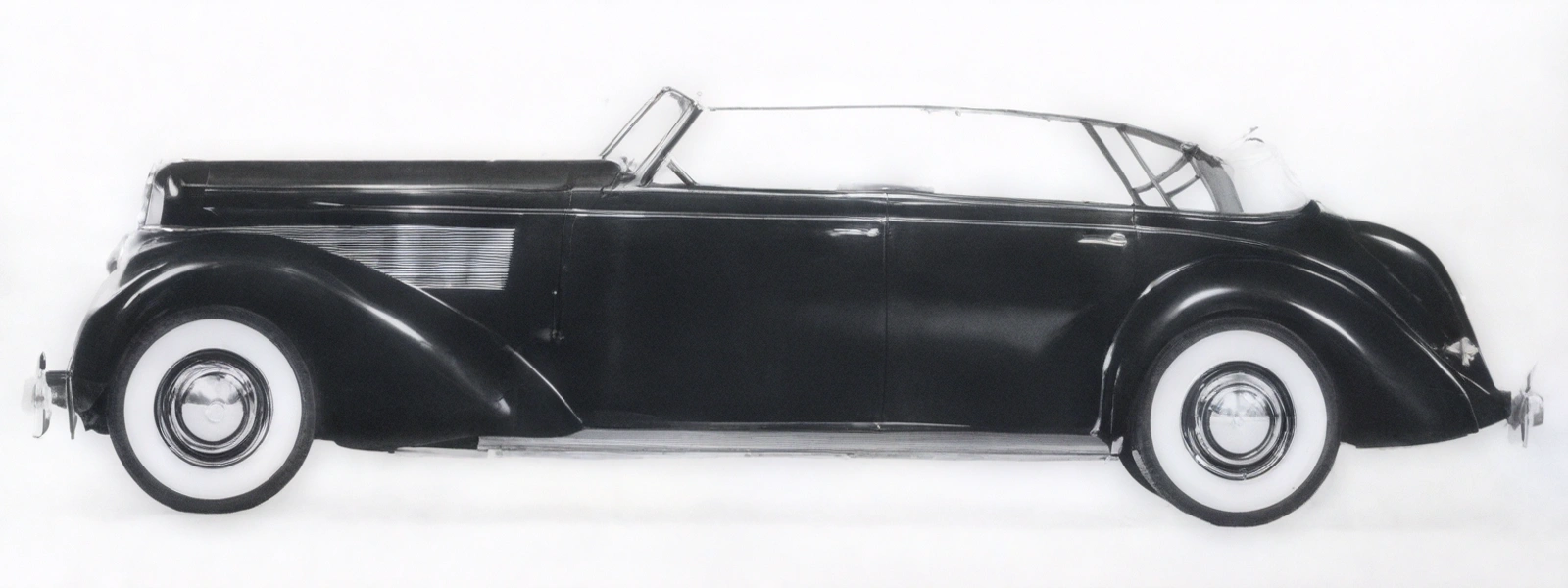
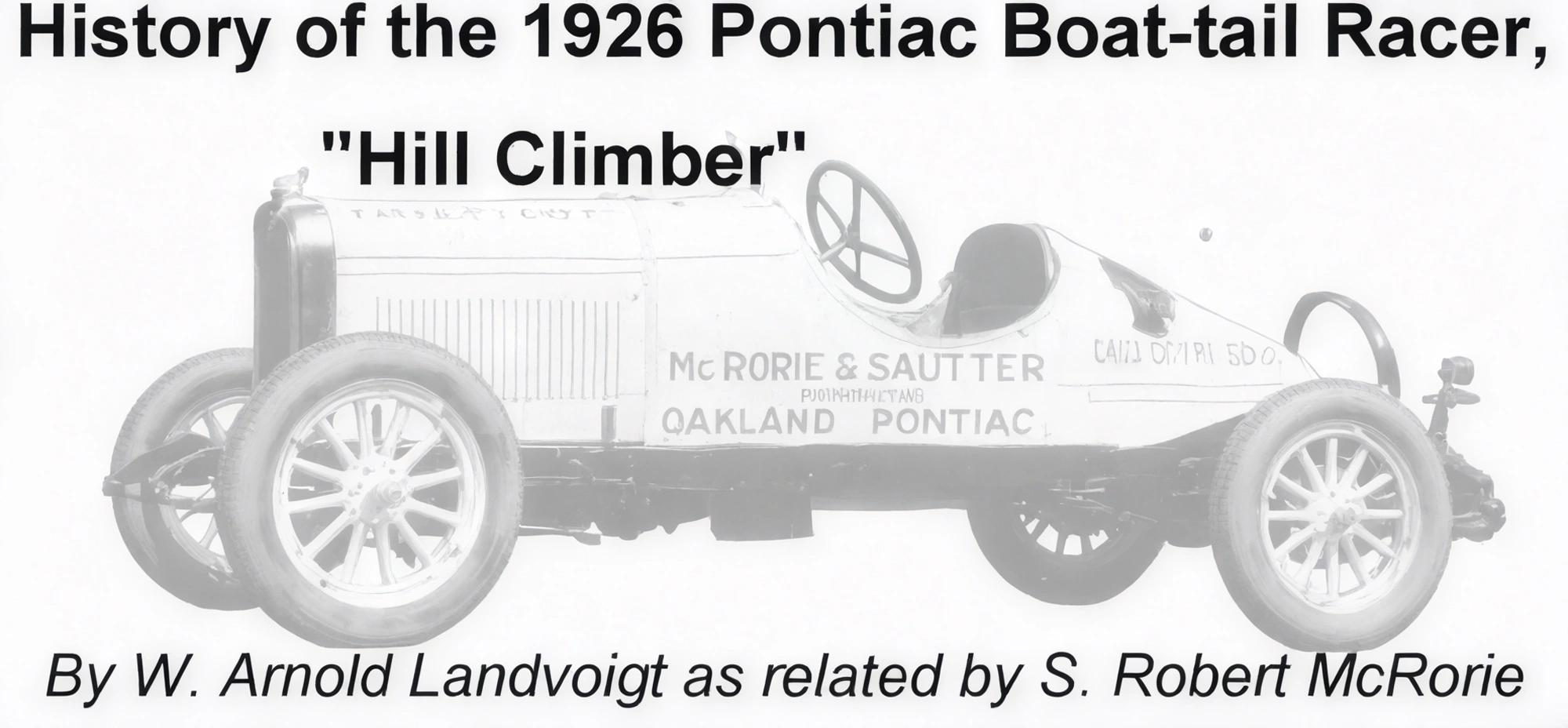
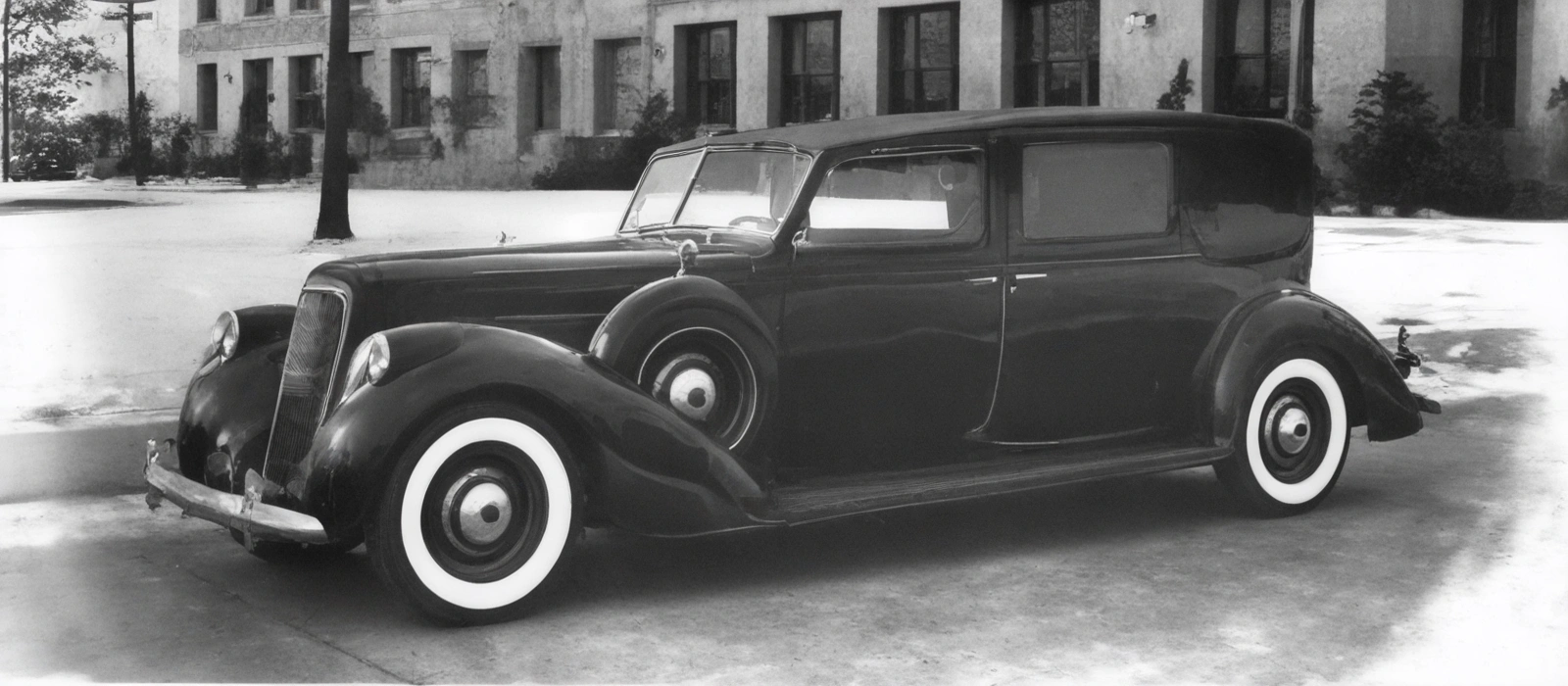
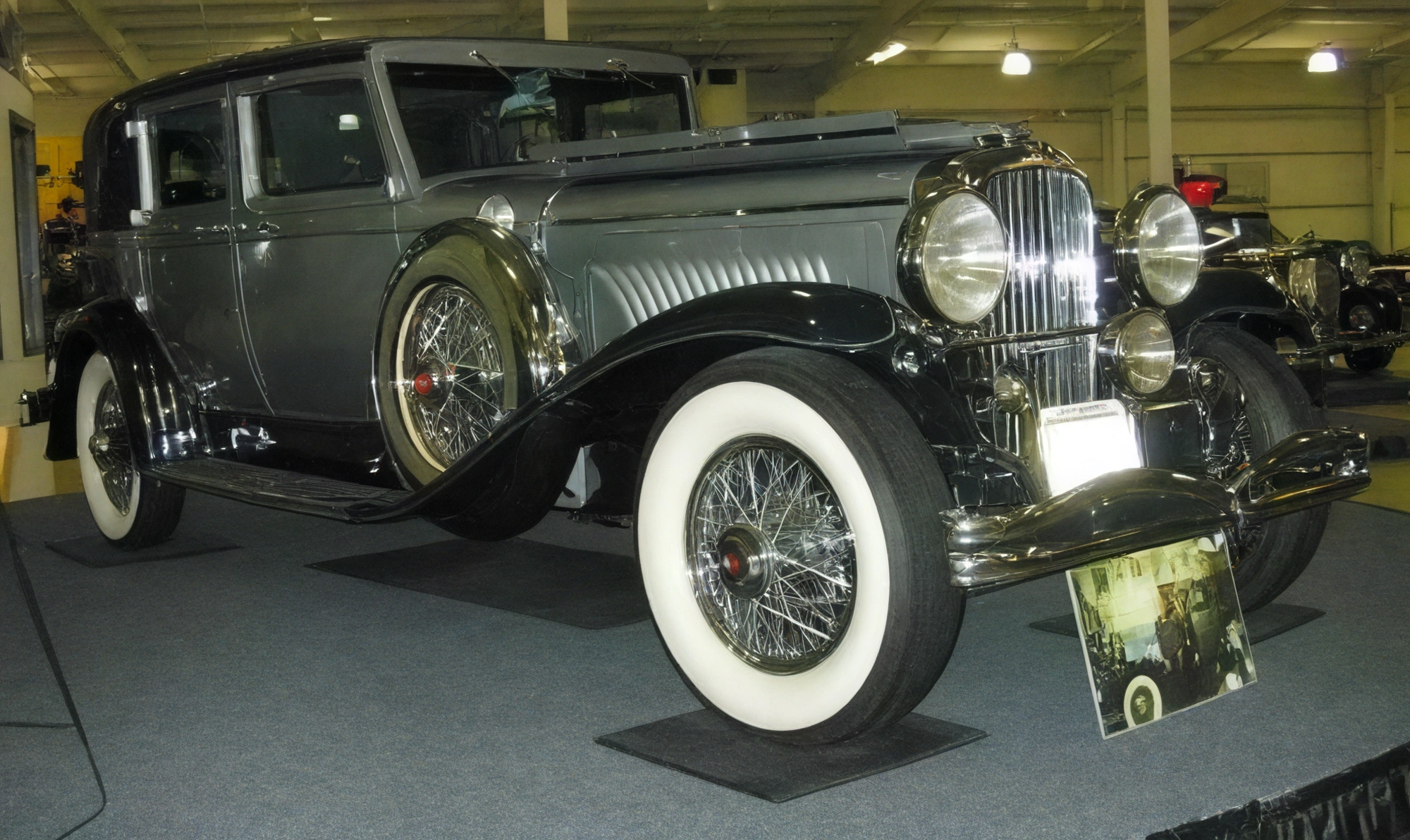
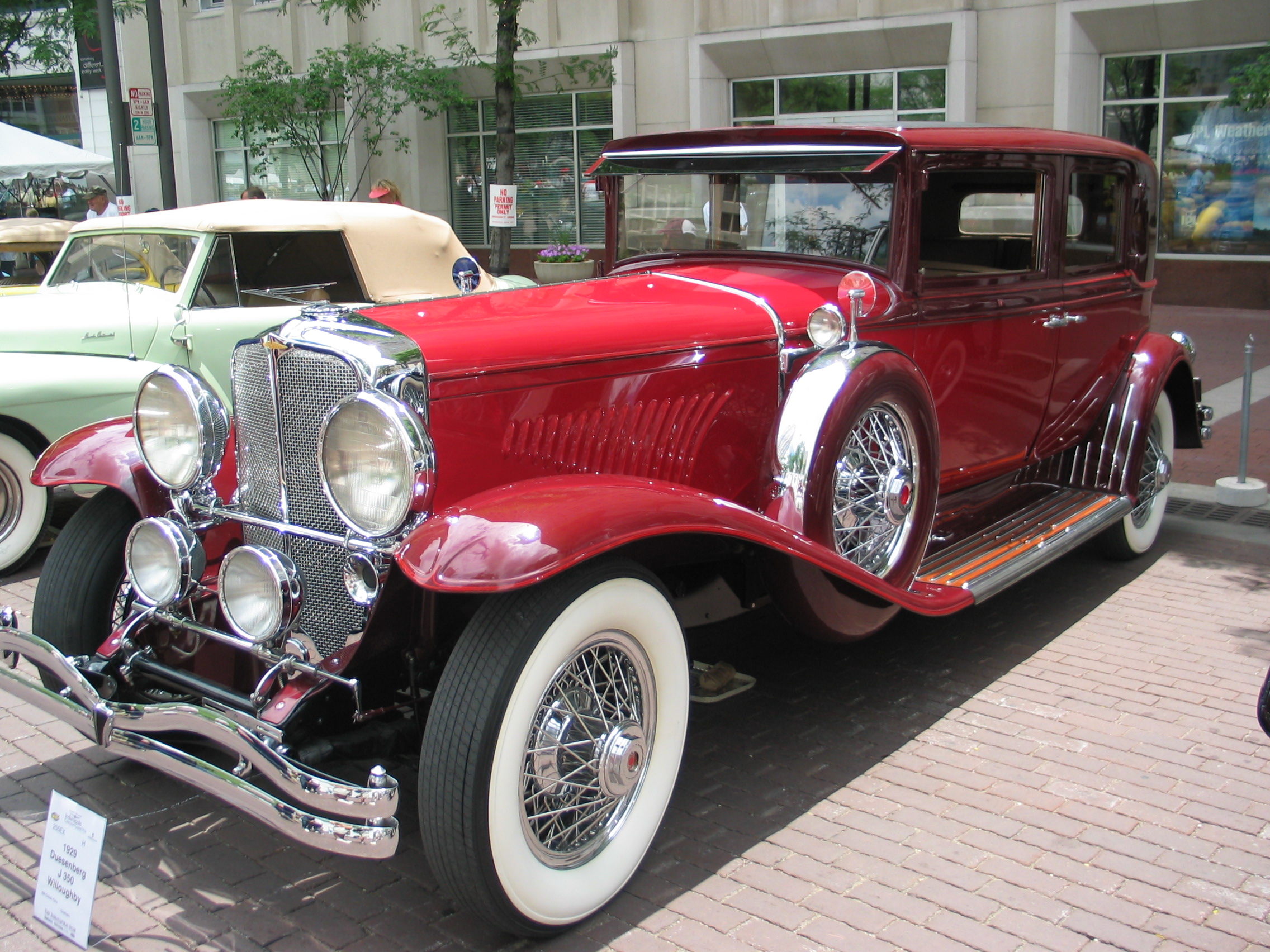
A few featured images of Willoughby custom coaches, explore the full photo gallery !
Who Are We?
A little about us…

Joe Claeys
Grandson of Francis Willoughby; car and fish enthusiast! Created the original version of this website in 2006 and is responsible for collecting much of this information. Would love to receive any pictures, information, or historical knowledge you may have about the Willoughby Company!
Chris Claeys
Joe’s son; has taken over operations and updates of this website!
Reach out! It will only take a minute
Latest Articles We’ve Published
We’re always looking for new content to add to the site, below are just of a few of the most recent articles we’ve published – see the full database here!